
Every Successful Idol Has a Story: Why Narrative Is K-pop's Real Superpower
A K-pop group wins its first music show trophy and the entire stage cries. So does a good part of the audience. The trophy’s material value is not the point; the reaction comes from what the moment represents after the work that preceded it. Fans are responding to a chapter ending.
The title of this essay is an argument, not a measurable rule. Music, performance, marketing and timing all matter. The narrower claim here is that a story gives fans a way to connect those songs and milestones over time: songs make listeners; stories can make long-term fans.
Why narrative beats talent alone
Many technically capable groups debut without building a durable audience. The ones that do last often have an arc that fans feel personally invested in. K-pop’s structure makes this natural: fans watch idols from debut — sometimes from the trainee era — and every milestone becomes a plot point they lived through. First win. First sold-out show. First stadium. The fandom isn’t an audience; it’s a co-protagonist that streamed, voted, and bought its way into the story.
That’s why fandom culture often treats achievements as shared victories: fans can point to the streaming, voting and purchases they contributed along the way.
The four great K-pop story arcs
1. The underdog
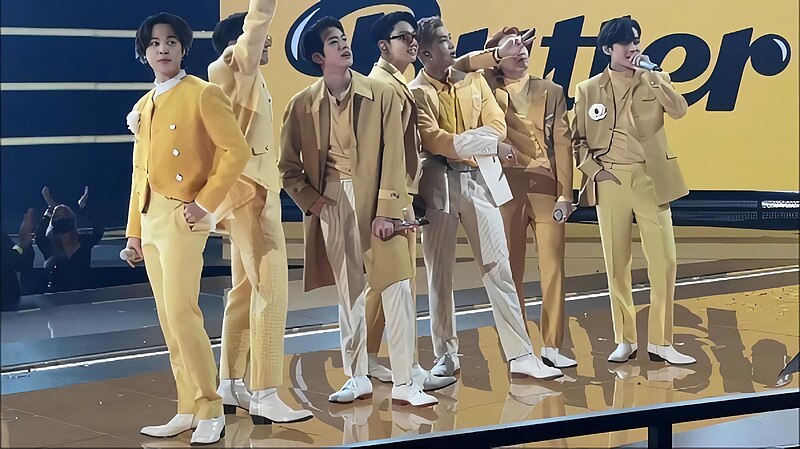
The canonical example is BTS: debuting in 2013 from a near-bankrupt small agency, sharing one dorm room and getting snubbed on variety programs, handing out flyers for their own free shows — before becoming the biggest act in the world. The underdog arc became part of the group’s official identity, and ARMY’s early grassroots support became part of the story too. Fans didn’t just watch that climb; they feel they built it.
2. The trial
Some groups are defined by a single moment of adversity handled well. GFRIEND kept falling on a rain-soaked stage in 2015, got up every single time, and finished the performance — and that fan-filmed video did more for their career than any marketing campaign could have. We tell that full story in The GFRIEND Saga.
Stray Kids lived their trial before debut even happened: two members were eliminated on the group’s own survival show, then restored for a nine-member debut — and the climb from those cuts to the top of the Billboard 200 is told in The Stray Kids Saga.
3. The reversal
K-pop’s most cinematic plot device is the 역주행 (yeokjuhaeng) — the “reverse run,” when a song climbs back up the charts long after release. The genre’s greatest example: Brave Girls, who met on February 23, 2021 to discuss disbanding. The next day, a compilation of their military-base performances of “Rollin’” — a four-year-old song — went viral on YouTube. Within weeks the song hit a perfect all-kill, topping every real-time chart in Korea. A group one conversation away from quitting became chart-toppers because soldiers never stopped loving them. You cannot write fiction that clean.
4. The reunion
The rarest arc, because it requires an ending first. Groups that come back — like GFRIEND’s full-member 2025 reunion four years after their abrupt goodbye — deliver something almost no entertainment product can: proof that the story mattered to the people inside it as much as to the fans outside.
The industry knows — and that’s fine
None of this is lost on agencies. Debut documentaries, survival shows, trainee vlogs, and behind-the-scenes content all exist to give fans the narrative on-ramp. Even fictional universes — the lore we covered in What Is K-pop Lore? — are engineered storytelling layered on top.
But engineered narrative only works when something real anchors it. Nobody scripted the rain. Nobody scheduled the viral fancam for the day after a disbandment talk. The industry can build the stage, but the stories fans actually attach to are the ones that happen on it.
What this section is for
This is why our Lore section covers two kinds of stories: the universes groups build, and the sagas they live. The comeback calendar tells you when the next chapter drops — these pages are about why the chapters matter.