
K-pop Album Versions Explained: Why One Album Comes in Five Boxes
Buy one Western pop album and you get… an album. Buy one K-pop album and you’re suddenly choosing between four “versions,” each with different covers, different photobooks, and different random photocards. If you’re new to this, here’s how the system actually works — and how to decide what’s worth your money.
Why versions exist at all
K-pop albums are physical products designed to be collected, not just listened to. Labels release the same tracklist in multiple versions with different packaging and inclusions. Fans who want the complete experience may buy more than one; fans on a budget pick their favorite. Each copy counts as a physical sale, which is one reason version collecting matters to the first-week sales numbers fandoms follow.
The common version types
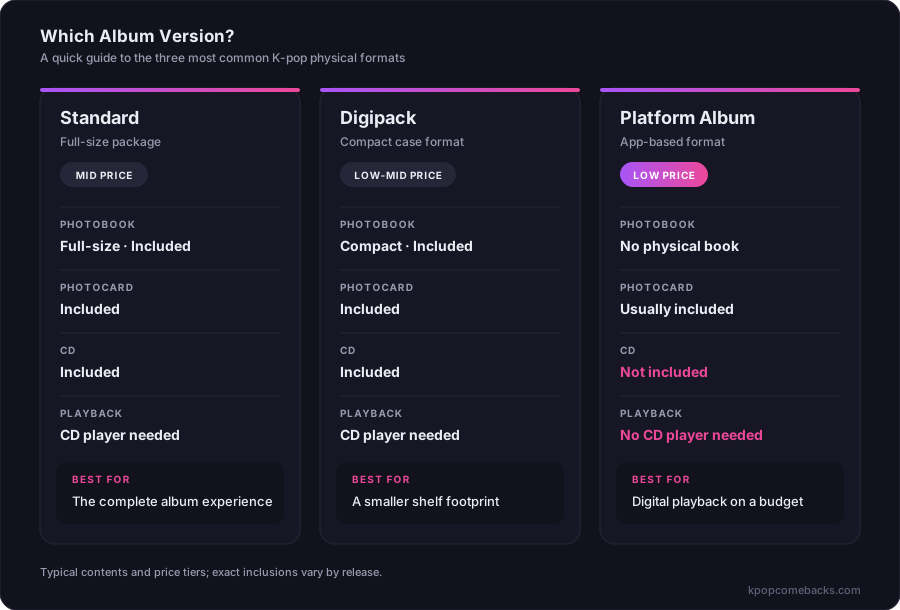
- Standard versions (Ver. A / B / C, or themed names). The main release, usually a boxed photobook format. Each version has a different cover, different photobook shots, and a different pool of random inclusions. The music is identical.
- Digipack / compact versions. Slimmer and cheaper, with fewer inclusions. Often member-specific — one cover per member.
- Platform albums (Weverse Albums, POCA, KiT). These replace the CD with a QR card, NFC item, or another app-based playback method while retaining some physical inclusions. The exact registration method and contents depend on the format.
- Limited / special editions. Editions with a restricted sale window or different extras. Check the official product notice rather than assuming “limited” describes the same thing for every release.
What’s inside the box
A standard version commonly contains the CD, a photobook, one or more random photocards from a member pool, and some rotation of posters, stickers, postcards, bookmarks, or “lucky draw” items. The randomness is the point — it’s what drives trading culture. If you pull your bias, great. If not, there’s an entire secondary market of fans trading photocards to complete their collections.
Pre-order benefits (POB)
Some pre-orders add retailer-exclusive photocards, posters, or other benefits that differ by store. Collectors compare the benefit list in each retailer’s notice before choosing where to buy; a pre-order benefit is not automatically included with every version or seller.
So which one should you actually buy?
- You mainly want the music: buy nothing — stream it. Or grab a digipack for the cheapest physical keepsake.
- You want one nice collectible: one standard version. Pick the concept/cover you like most; the tracklist is the same.
- You collect photocards: check which version’s card pool includes the shots you want, and compare pre-order benefits by retailer before committing.
- You have no CD player and limited shelf space: a platform album is genuinely the practical choice.
One habit worth building: check the official product notice before ordering. It tells you the version lineup, inclusions, regional release date and whether a benefit belongs to the album or to one retailer. Our comeback calendar keeps the confirmed music release date in one place; product and shipping dates should still be checked with the seller.